
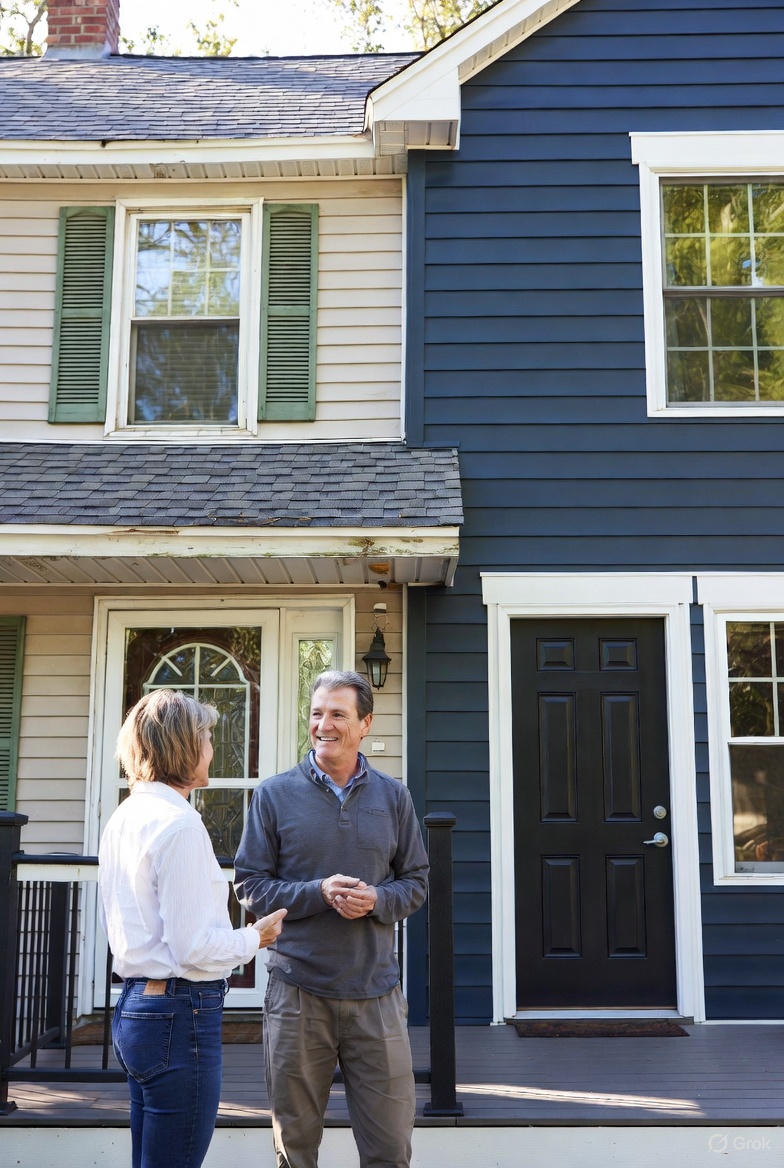
Is your home stuck in another decade? It’s a common problem. That “builder-grade beige” vinyl, faded green shutters, and ornate front door that seemed fine in 1995 now just look tired. An aging exterior not only diminishes your sense of pride but also masks your home’s true value. Many homeowners dream of a modern update but fear the cost and complexity, often getting lost searching for reliable exterior remodeling services.
The good news is that a total transformation is more achievable than you think. You don’t have to tear down and start over. A professional exterior makeover contractor can use five strategic upgrades to shed decades from your home’s appearance, boosting its curb appeal and long-term value. This guide explores the most impactful ways to bring your aging home into the modern era.
The “Dated” House Dilemma: Why Your Home Feels Stuck in Time
Before diving into the solutions, it helps to identify the “dating” features. Homes, like fashion, follow trends. The features that defined one era often become the first things to look tired in the next.
Common culprits include:
- Monochromatic Palettes: The “beige-on-beige” or “gray-on-gray” look, where the siding, trim, and gutters all blend.
- Faded, Low-Quality Materials: Chalky, oxidized vinyl siding, faded 3-tab shingles, and peeling wood trim.
- Ornate or Flimsy Details: Spindly wrought-iron porch railings, fake oval-glass front doors, and generic, raised-panel garage doors.
- “Flat” Facades: A lack of texture or dimension, making the home look boxy and uninteresting.
Beyond Curb Appeal: The Functional Benefits of Modernizing
A modern makeover is about more than just looks. It’s an investment in performance. Those 30-year-old materials aren’t just ugly; they’re failing.
- Energy Efficiency: Old, single-pane windows and non-insulated siding are “energy vampires,” leaking air and driving up your utility bills.
- Durability: Modern materials like fiber cement and composite trim are engineered to resist rot, pests, and impact, lasting decades longer than the wood they replace.
- Lower Maintenance: The biggest win for many homeowners is ditching the endless cycle of scraping, caulking, and painting. Modern materials are designed to be virtually maintenance-free.
Finding the Right Partner: What to Look for in an Exterior Makeover Contractor
You can have the best materials in the world, but they will fail if installed by the wrong person. A successful modernization project hinges on hiring a true professional, not just a “guy with a truck.”
Why a “System” Approach Beats a Piecemeal Fix
A home’s exterior is an interconnected “building envelope.” The roof, siding, windows, and trim are all parts of one system designed to keep water out and conditioned air in.
A piecemeal, handyman approach is dangerous. A window installer might not know how to integrate the new window flashing with your old, brittle siding. A roofer might damage your siding’s J-channel.
A full-service exterior contractor understands this system. They manage the entire project, ensuring that every new component is perfectly integrated with the next. This “single point of accountability” is invaluable. It means if there’s ever an issue, you have one phone call to make.
1. Replace Dated Siding with Modern Materials and Colors
This is the single most transformative upgrade you can make. Your siding is the “skin” of your home, and changing it gives you a blank canvas.
Ditching the Past: Faded Vinyl and Old Wood
The #1 culprit of a dated home is often thin, cheap vinyl siding in a pale, washed-out color like faded yellow, baby blue, or tan. As it ages, it oxidizes, becoming chalky to the touch. Old, peeling wood siding is just as bad, signaling a constant and costly maintenance battle.
The Modern Solution: Fiber Cement and Insulated Vinyl
- Fiber Cement: This is the premium choice for a modern look. Brands like James Hardie offer products that are rot-proof, fire-resistant, and can hold paint for 15+ years. It comes in a variety of styles, from traditional lap siding to the very modern vertical board-and-batten look.
- Insulated Vinyl Siding: This is not the flimsy vinyl of the 80s. Modern insulated vinyl has a rigid foam backing that adds R-value (insulation), makes the panels far more durable against impact, and creates a smoother, flatter appearance. It also comes in a wide array of deep, rich colors.
A Note on Color: Embracing Modern Palettes
Today’s trends are all about bold, rich colors and sharp contrasts.
- Bold Bodies: Forget beige. Think deep navy blues, charcoal grays, olive greens, and even black.
- Crisp Trim: Pair these dark body colors with a super-crisp, bright white trim. This contrast is the hallmark of a modern design.
- The “Modern Farmhouse”: This popular look is achieved with white board-and-batten siding paired with black windows and dark accents.
2. Create Contrast and Dimension with Trim and Accents
Many older homes, especially tract homes, suffer from “flat facade syndrome.” A professional contractor can use trim and mixed materials to add visual interest.
The Problem: “Flat” and Monochromatic Facades
A home looks dated when the siding, the trim around the windows, and the corner boards are all the same color. It’s a boring, one-note look that lacks any definition. Often, the trim used is thin (e.g., a simple 3.5-inch board) and just gets lost.
The Fix: Bold Trim and Mixed Materials
- Go Wide: Ask your contractor to replace your standard, thin trim with wider, 5.5-inch or 7.25-inch trim boards, especially around windows and doors. This creates a “picture frame” effect that looks substantial and custom.
- PVC or Composite Trim: Use a modern material like PVC (AZEK) or composite (Boral) for your trim. It will never rot, split, or warp, and it holds paint beautifully, making it perfect for that crisp white contrast.
- Add Texture: This is a pro-level move. Use a different siding material on an accent, like a gable or a dormer. For example:
- Horizontal lap siding on the main body.
- Vertical board-and-batten siding in the gables.
- A stone veneer or faux-wood accent around the entryway or on the foundation. This “mixed-media” approach breaks up large walls and adds a high-end, custom look.
3. Rethink Your Roof: From Utility to Design Feature
For decades, a roof was purely functional. Today, it’s a critical design element. An old, flat, stained roof will undermine even the most beautiful new siding.
Upgrading from 3-Tab to Architectural Shingles
The standard, flat “3-tab” shingle is a dead giveaway of a builder-grade or older roof. It has no texture. The single best roofing upgrade is to switch to architectural (or dimensional) shingles.
These shingles are thicker, heavier, and composed of multiple layers laminated together. This creates deep shadow lines and a rich, textured appearance that adds immense curb appeal and dimension. They also last significantly longer and have much higher wind ratings.
Considering Metal and Modern Rooflines
For a truly modern or “modern farmhouse” statement, nothing beats a standing-seam metal roof. While a full metal roof can be expensive, you can use it as a high-impact accent. A common strategy is to install architectural shingles on the main roof and a black standing-seam metal roof on a front porch, dormer, or bay window. This mix of materials is sophisticated and stylish.
4. Update Openings: The Impact of New Windows and Doors
Windows and doors are the “eyes” and “focal point” of your home. If they’re old, they’re dragging down the whole look, not to mention your energy efficiency.
Windows: From Flimsy Frames to Bold Black Trim
Old windows often have faded, flimsy vinyl frames (usually white or beige) and a dated “grid-between-the-glass” pattern.
The single biggest trend in modern exterior design is black-framed windows. When paired with white or dark siding, black windows create a sharp, graphic, and dramatic statement. They act as a bold outline, drawing the eye and providing an industrial-chic or modern-farmhouse feel. Even if you stick with white, replacing old windows with new, high-performance models will make the home look cleaner and more substantial.
The Front Door: Your Home’s Focal Point
Ditch the 90s-era ornate oval glass door or the standard 6-panel steel door. A modern front door is all about clean lines and, often, a bold pop of color.
- Styles: Look for Shaker-style doors, flush (perfectly flat) doors, or doors with simple, rectangular glass lites.
- Color: Your front door is the one place you can take a real risk. A glossy black, deep red, bright teal, or modern wood-stain finish turns the door into a piece of art.
The Garage Door: The “Other” Front Door
On many homes, the garage door takes up 40% of the front facade. Yet, it’s almost always the most ignored element. Replacing that standard white, raised-panel door has a massive impact.
- Carriage House Style: These doors have the look of old-fashioned swing-out barn doors, often with windows and decorative hardware. They add immense character.
- Modern Style: For a truly contemporary look, opt for a flush-panel door, perhaps with a row of frosted-glass inserts aligned vertically or horizontally.
5. Redefine Your Entryway and Outdoor Living Space
How you “enter” the home sets the stage. Many aging homes have small, purely functional concrete stoops with spindly, ornate wrought-iron railings. This look is incredibly dated.
Removing Dated, Ornate Ironwork
The first step is often demolition. Removing those thin, black metal railings is a “must-do” for modernization. They feel flimsy and old-fashioned.
Creating Functional, Sleek Porches and Decks
Replace that tiny stoop with a more expansive, functional front porch or portico.
- Go Substantial: Use thick, structural posts (e.g., 6×6 or 8×8) wrapped in PVC or composite material. This gives the entryway a sense of permanence and strength.
- Modern Railings: Replace iron with clean-lined railings. This could be a classic wood-and-aluminum-baluster system, or a very modern horizontal cable-rail system.
- Better Materials: Use composite decking (like Trex) or high-end pavers for the porch “floor” instead of just bare concrete.
Expanding your outdoor living space to the front of the home makes it more welcoming and communal, a hallmark of modern neighborhood design.
How to Budget and Plan Your Exterior Transformation
A full exterior overhaul is a major investment. Very few homeowners do all five of these things at once. A good exterior makeover contractor can work with you as a long-term partner, helping you “phase” the project.
Phasing Your Project for Maximum Impact
A logical way to plan your remodel over several years might be:
- Phase 1: (Protection) Start with the roof. It’s the most critical component for protecting everything else. Get the new architectural shingles on.
- Phase 2: (The “Skin”) Replace the siding, trim, and windows. This is the biggest visual change and should be done together to ensure all the waterproofing and flashing is integrated correctly.
- Phase 3: (The “Jewelry”) Finish the project by replacing the doors, garage door, and rebuilding the front porch.
This phased approach breaks the cost into manageable chunks while ensuring each step is built correctly, leading to a unified, modern, and high-performance home.
Conclusion: A Modern Home is a More Valuable, Functional Home
Modernizing your home’s exterior is the most powerful investment you can make, delivering massive returns in both curb appeal and personal enjoyment. By replacing dated materials, embracing contrast and texture, and upgrading key focal points, you can completely transform your home’s identity.Ultimately, partnering with a comprehensive contractor who understands the entire building envelope is the key. You need a team that can provide a full range of exterior remodeling services and guide you through the process, from a simple shingle replacement to the complexities of a flat roofing installation on a modern addition. A modern home is waiting—you just have to peel back the dated layers.