
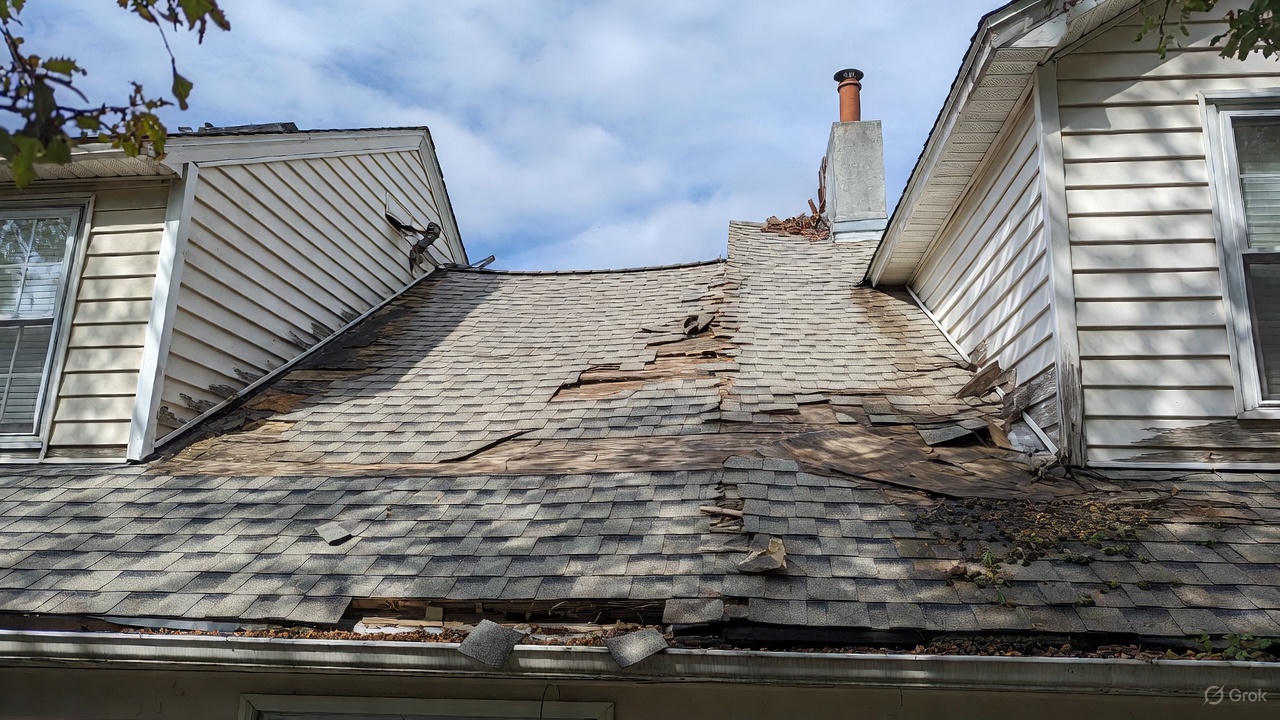
Facing the need for roofing and siding repair can be one of the most stressful experiences for a homeowner. Your home’s exterior is its primary shield against the elements, and any compromise in this shield feels like a direct threat to your property’s safety and value. It’s a significant investment, and the process of finding a reliable contractor can be overwhelming. Before you start collecting bids, it’s crucial to understand what’s at stake, what to look for in a professional, and what red flags to avoid. This guide will walk you through the essential knowledge needed to navigate exterior repairs, ensuring you make informed, confident decisions.
Your Home’s First Line of Defense: Why Roofing and Siding Matter
Think of your roof and siding as a complete system—your building’s envelope. They are engineered to work together to manage water, insulate your home, and protect its structural components from wind, impacts, and pests.
- The Roof: This is your home’s umbrella. It directs water away from the structure, bears the brunt of sun and snow, and is a critical component of your home’s ventilation and energy efficiency.
- The Siding: This is the armor. It protects the vertical walls from moisture penetration, wind-driven rain, and impacts. It also contributes significantly to your home’s insulation and, of course, its curb appeal.
When one part of this system fails, it often puts stress on the other. A leaking roof can send water running down behind your siding, while damaged siding can allow moisture to penetrate the wall cavity and rot the roof’s support structure from below.
Spotting the Red Flags: When Do You Need Repairs?
The worst time to find a problem is during a major storm. Proactive inspection, especially after severe weather, can help you catch small issues before they become catastrophic failures.
Common Roofing Issues
Walk around your property and use binoculars if necessary to get a safe look at your roof. Look for:
- Missing or Cracked Shingles: This is an obvious breach.
- Curling or Buckling Shingles: This often indicates the roof is nearing the end of its lifespan or is suffering from poor attic ventilation, which “cooks” the shingles.
- Granules in the Gutters: Asphalt shingles are coated in granules for UV protection. When you find large amounts of these “sandy” particles in your downspouts, it means your shingles are becoming brittle and weak.
- Dark Streaks or Moss: While often cosmetic, algae (dark streaks) and moss can trap moisture against the roof surface, accelerating wear.
- Flashing Damage: The metal strips around chimneys, vents, and valleys are common failure points. Look for rust, gaps, or lifted sections.
- Interior Signs: Water stains on your ceiling, peeling paint near the wall/ceiling junction, or a musty odor in the attic are all late-stage warnings of a leak.
Telltale Signs of Siding Damage
Your siding gives different clues depending on the material.
- Warping or Bubbling (Vinyl): This is often a sign of heat damage (e.g., from a barbecue grill or sun reflection) or, more seriously, that water is trapped behind the panel.
- Cracks, Chips, or Holes: These can be caused by impacts (hail, baseballs) or age-related brittleness.
- Fading or Chalking: A chalky residue on vinyl or fiber cement indicates the protective finish has worn away. Significant or uneven fading can be a sign of product failure or age.
- Soft Spots or Rot (Wood): Use a screwdriver to gently probe any discolored or suspect areas. If it feels soft or spongy, you have rot.
- High Utility Bills: If your siding is cracked or pulling away, it compromises your home’s insulated envelope, forcing your HVAC system to work overtime.
The Dangers of Delaying Repairs
It’s tempting to “wait and see” on a small exterior issue. This is almost always a costly mistake. Water is a relentless force.
A single missing shingle creates a tiny entry point. Water seeps in and soaks the roof decking underneath. This leads to rotted sheathing. The water then travels down the rafter, soaking attic insulation, rendering it useless and creating a perfect environment for mold. Finally, it appears as a small, tea-colored stain on your living room ceiling.
By the time you see that stain, you are no longer fixing a shingle. You are replacing sheathing, insulation, and drywall, all while mitigating a potential mold colony. The same logic applies to siding. A small crack lets water behind the weather barrier, where it rots the wall studs and subfloor. Delaying a minor roofing and siding repair can transform a $500 fix into a $20,000 structural remediation.
Repair vs. Replacement: Making the Right Call
This is one of the first major decisions you’ll face. An honest contractor will provide a clear recommendation based on a few key factors.
Assessing the Extent of the Damage
- Repair is often suitable for: Localized damage. If a windstorm tore off a 10×10 foot section of shingles but the rest of the roof is in great shape, a repair is logical. If one piece of siding was damaged by a weedwhacker, you can replace just that panel (assuming you can find a color match).
- Replacement is likely necessary for: Systemic or widespread issues. If your roof is 25 years old and has curling shingles, granule loss, and small leaks in multiple places, a repair is just a “band-aid” on a failing system. If 30% or more of your roof is damaged, a full replacement is usually more cost-effective.
Age and Material Lifespan
Every exterior product has an expiration date.
- Asphalt Shingles: 15-30 years, depending on the quality.
- Vinyl Siding: 20-40 years, but it can become brittle with age.
- Fiber Cement Siding: 50+ years.
- Metal Roofing: 50-70+ years.
If your 22-year-old asphalt roof is damaged, investing thousands in a repair is poor financial management. You are patching a system that is already at the end of its useful life. It’s better to put that money toward a full replacement, which resets the clock and comes with a new warranty.
The Hiring Process: Vetting Your Contractor
The single most important factor in a successful repair job is the contractor you hire. A great product installed incorrectly will fail. A mediocre product installed perfectly will perform as expected. Your goal is to find a professional who uses great products and installs them correctly.
Step 1: Check for Proper Licensing and Insurance
This is non-negotiable. Do not even consider a bid from a contractor who cannot provide these.
- License: Ensure they are licensed to work in your state and municipality. This proves they have met a minimum bar of competency and are registered with the local authorities.
- Insurance: Ask for a Certificate of Insurance (COI) and verify it with the insurance provider. You need two types:
- General Liability: This covers damage to your property. If they drop a bundle of shingles on your car or break a window, this pays for it.
- Worker’s Compensation: This covers injuries to their crew. If a roofer falls off your ladder and the company doesn’t have worker’s comp, you could be held liable for their medical bills.
Step 2: Verify Experience and Specialization
- Years in Business: Look for a company with a stable history. A contractor who has been in business for 15 years has a track record and is likely to be around to honor their warranty.
- Specialization: Do they specialize in roofing and siding repair? Some “general contractors” will take any job. You want a specialist.
- Manufacturer Certifications: Top-tier contractors are often certified by the manufacturers whose products they install (e.g., GAF Master Elite, James Hardie Preferred Contractor). This means their crews have been trained on the exact installation specifications required to validate the manufacturer’s best warranties.
Step 3: Ask for Local References and Portfolios
This is where you separate the talkers from the performers.
- Ask for a list of 10 recent local jobs: Why 10? Because they can’t cherry-pick just their 3 happiest customers.
- Ask for addresses: Do a “drive-by” inspection. Does the work look clean? Are the lines straight?
- Call the references: Ask these specific questions:
- Did the job stay on budget?
- Were there any surprise costs? If so, how were they handled?
- How was the communication with the project manager?
- How was the crew’s professionalism and cleanliness?
- Would you hire them again?
A strong history with local roofers and siding companies in your community is a powerful indicator of reliability.